EU–India Trade Deal is a big deal for Law Firms

Looking for the perfect news story to discuss in your application or AC? You're in the right place!
The EU and India signed a huge trade deal this week. Today we cover what the deal is about and why it matters for law firms.
What is the deal?
The EU and India have agreed a sweeping trade pact that removes or sharply reduces tariffs on most goods traded between them. Once approved, the deal will eliminate tariffs on around 96% of EU exports to India and give more than 99% of Indian exports preferential access to the EU market.
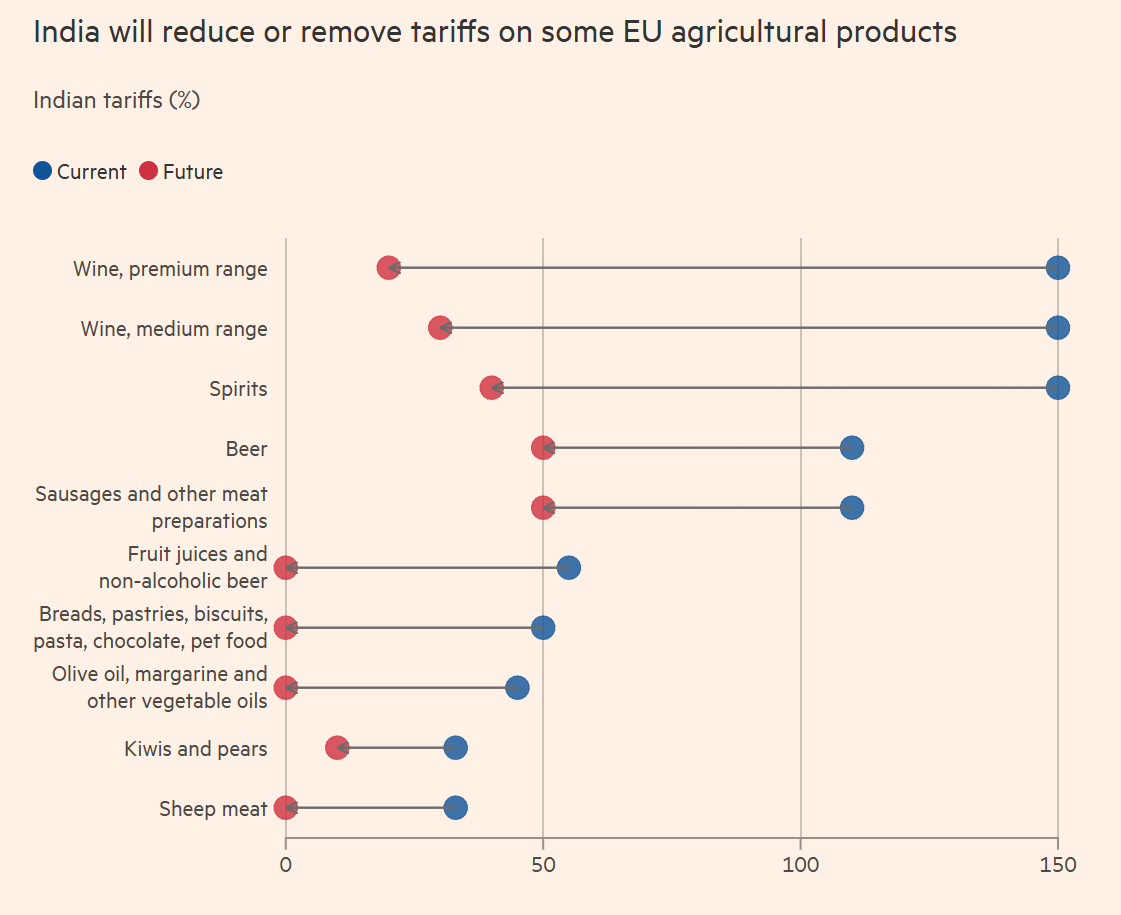
What does Europe get? Indian tariffs on EU cars will fall from an eye-watering 110% to 10%, subject to an annual quota. Duties on machinery, chemicals, pharmaceuticals, steel and iron will be phased out, some over a 10-year period. Food and drink also see major wins: wine tariffs will fall from 150% to as low as 20%, olive oil will drop to zero over five years, and levies on processed foods like bread and confectionery will be eliminated.
What about India? For India, the prize is access. Indian exporters, including textiles and other manufacturing sectors, will face zero or near-zero tariffs when selling into the EU. The deal also goes beyond tariffs, with commitments to smoother customs procedures, closer regulatory co-operation and support for Indian industry to decarbonise.
Why does it matter?
This is one of the largest trade deals either side has ever signed, and it lands at a tense moment for global trade. With protectionism rising elsewhere, the EU and India are choosing to lower barriers rather than raise them, effectively doubling down on rules-based trade between two economic heavyweights.
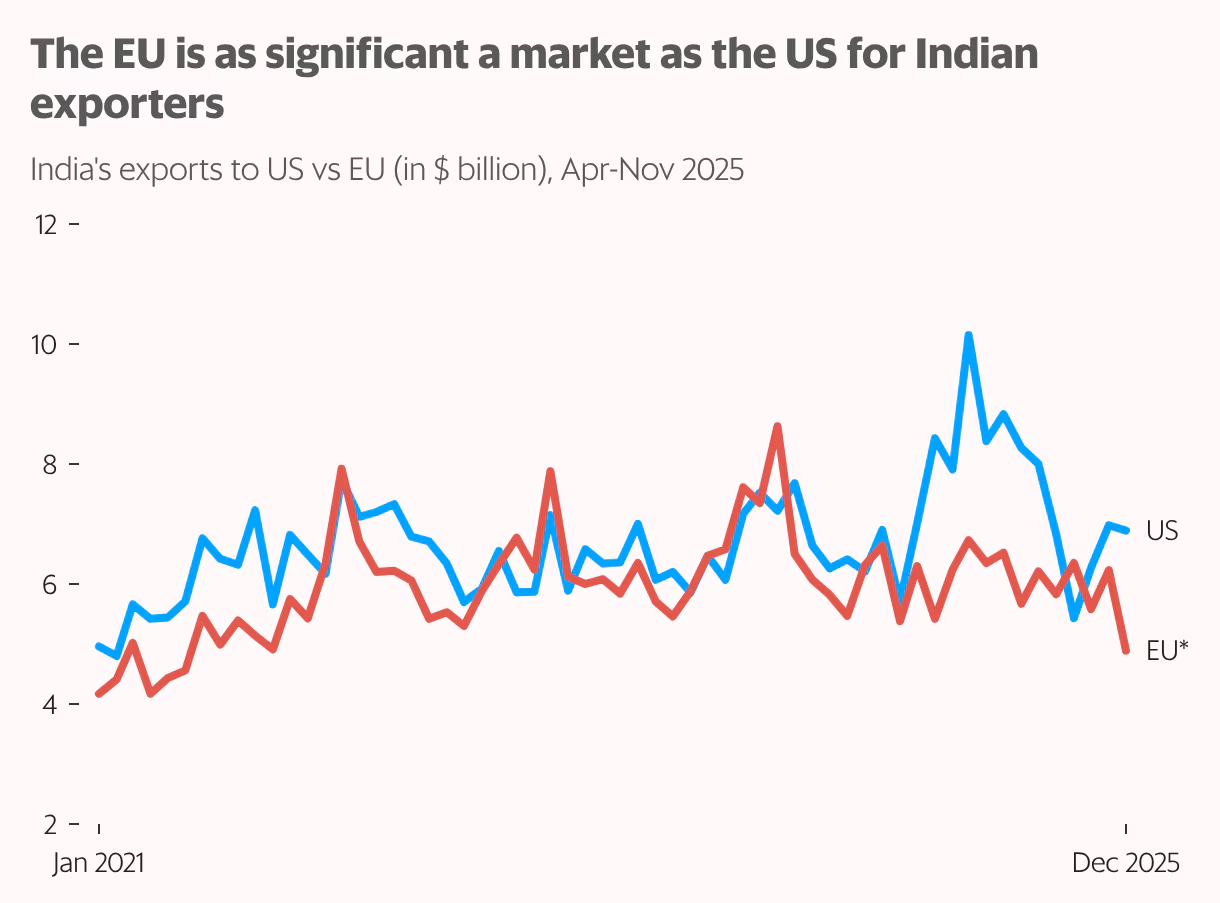
European manufacturers suddenly look far more competitive in India, while Indian exporters gain a more stable and predictable route into the EU at a time when access to other major markets has become more uncertain. Lower tariffs also mean cheaper inputs, more choice for consumers and stronger supply-chain links between the two regions.
The agreement reflects India’s broader push to open its economy and attract investment, while giving the EU a deeper foothold in one of the world’s fastest-growing markets. Add in commitments on climate and regulatory alignment, and this is less about a one-off tariff cut and more about locking in a long-term economic partnership.
How does this impact Law Firms?
Join ZipLaw+ to continue reading