How do Trump's Greenland Tariffs impact Law Firms?
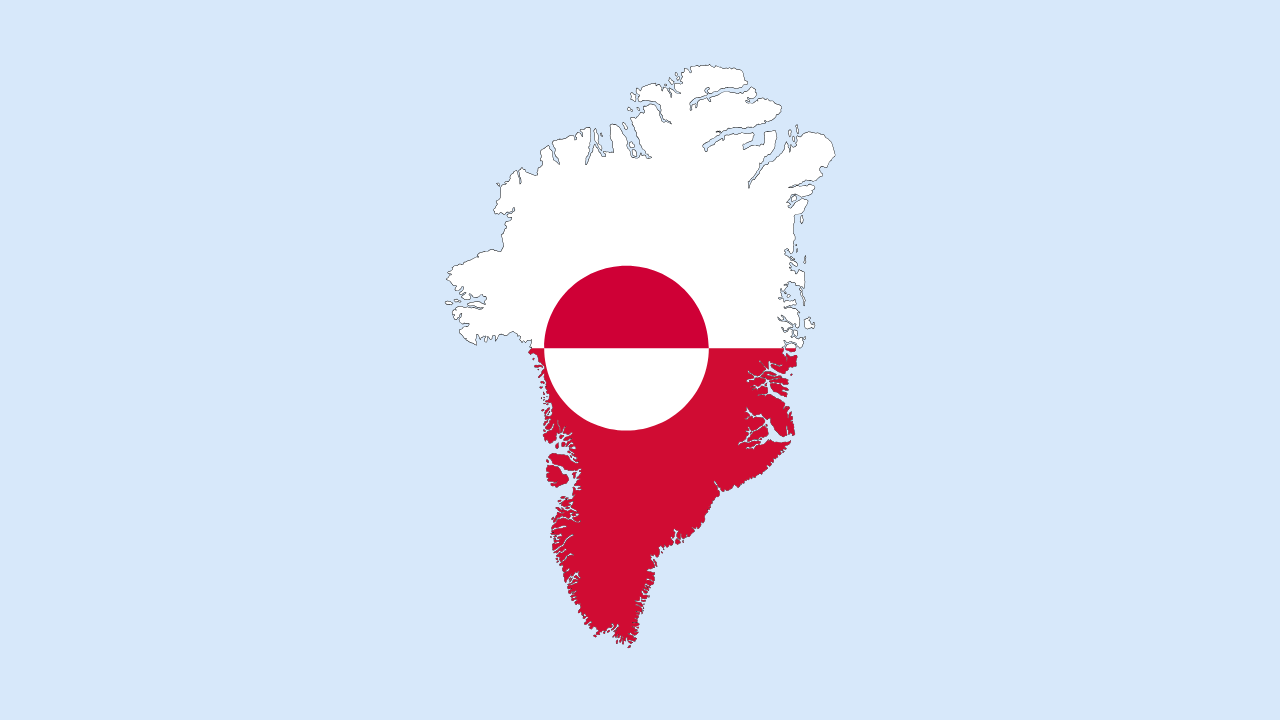
Trump's wants Greenland and he's threatening tariffs to get it.
Here's all you need to know plus what this means for law firms and their clients.
What’s going on?
Trump has reignited tensions by threatening new tariffs on European allies linked to Greenland. He announced a 10% tariff from February, rising to 25% by June, on eight European countries, including Denmark, France, Germany and the UK, after they agreed to carry out limited NATO military exercises in Greenland.
Why is Greenland at the centre of this?
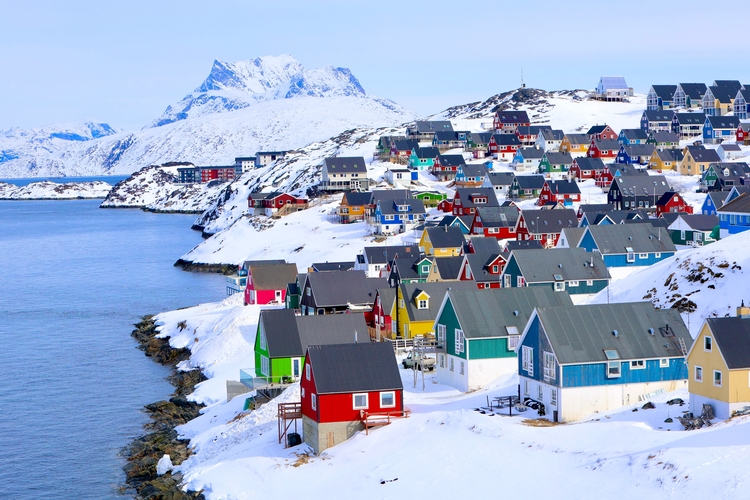
Trump wants Greenland for several reasons:
- 🪖 Strategic military location: Greenland sits between North America and Europe and hosts key US radar and defence infrastructure. Control over the island strengthens missile detection and Arctic defence capabilities.
- 🚢 Arctic shipping routes: Melting ice is opening new Arctic sea lanes, making Greenland increasingly important for future global trade routes and naval access.
- 🪨 Natural resources: Greenland is rich in rare earth minerals critical for defence technology, electric vehicles and semiconductors, reducing reliance on Chinese supply chains.
💡 Must-know: Although it is a semi-autonomous territory, it remains part of Denmark and therefore protected by both NATO’s Article 5 and the EU’s mutual defence clauses.
When European allies announced modest military exercises in Greenland, involving only a few dozen troops, Trump responded with tariffs, framing the move as Europe “freeloading” on US security. Senior officials even questioned whether Denmark is capable of “defending” Greenland at all.
What's Europe saying?
EU lawmakers are threatening to freeze approval of the US-EU trade deal altogether. That agreement lowered tariffs on US goods in exchange for a 15% US tariff ceiling on most EU exports, a compromise designed to avoid a trade war.
France is also pushing for the EU to deploy its Anti-Coercion Instrument — a powerful tool allowing retaliatory tariffs, investment restrictions and limits on US firms accessing EU markets.
How did Greenlanders React?
The response in Greenland and Denmark was swift and negative. Protests broke out across Denmark, with demonstrators waving Greenlandic flags and rejecting any suggestion that the territory could be bargained over or pressured through tariffs.
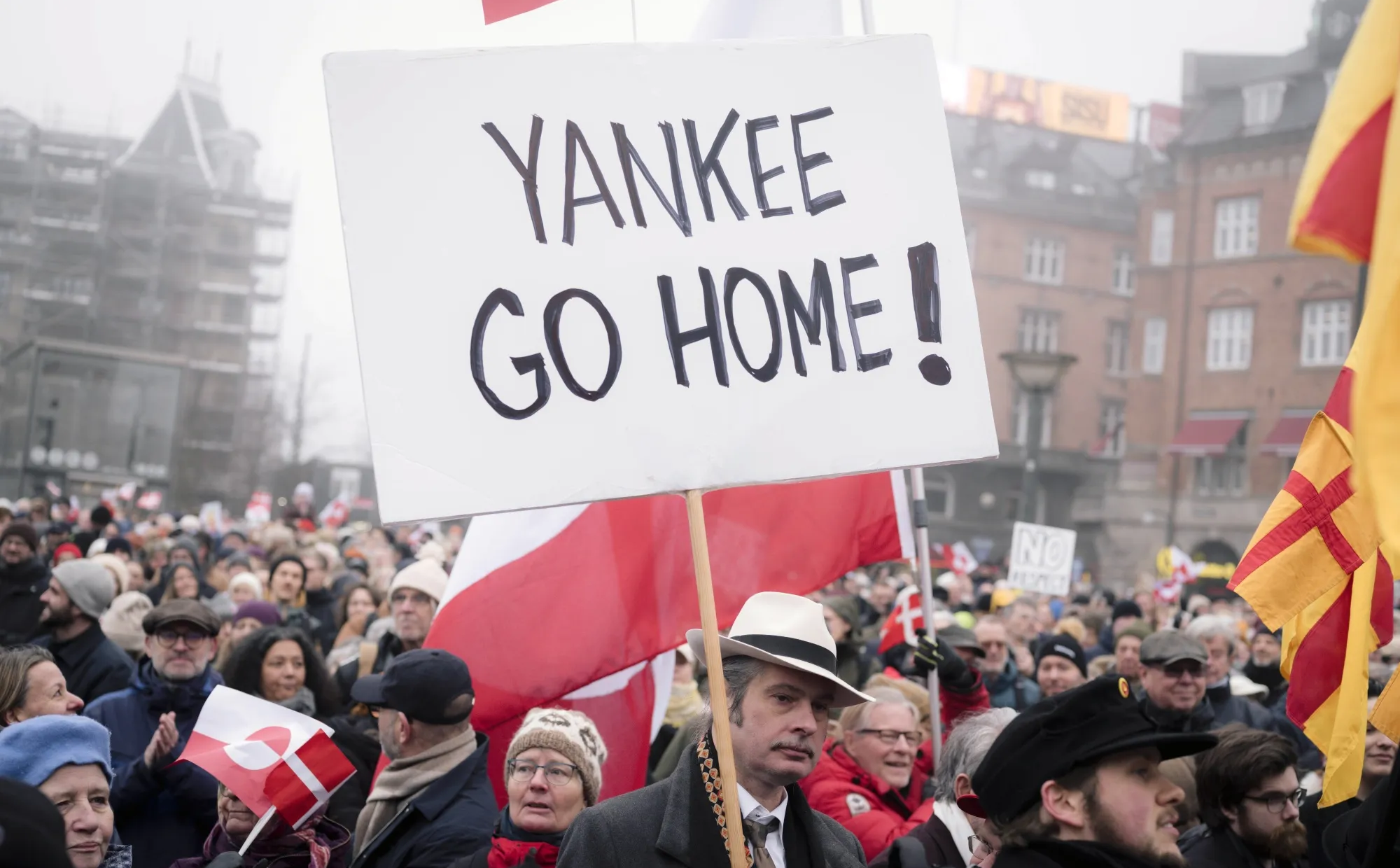
Greenlandic leaders have stressed that the island’s future is about self-determination, not trade leverage. Rather than weakening Europe’s stance, Trump’s threat has hardened European unity and elevated Greenland from a strategic talking point to a political red line.
Will the Tariffs actually happen?
Maybe, but not certainly. Trump may rely on tariff powers that are currently under review by the US Supreme Court, which could restrict his ability to act unilaterally. Many think the Greenland tariffs are more leverage than policy.
How does this Impact Law Firms?
Join ZipLaw+ to continue reading