How will the Shipping Crisis impact Law Firms?
The shipping industry is unpredictable at the moment. With rising costs and delays causing huge headaches for businesses globally.
Here's how to discuss this to impress your favourite law firms.
🎙️ Check out our latest podcast episode on Spotify, Apple Podcasts or your favourite podcast app.
What’s happening?
Global trade depends on a small number of critical chokepoints, narrow routes that carry a huge share of the world’s goods. Think of them like the M25 of the global economy.
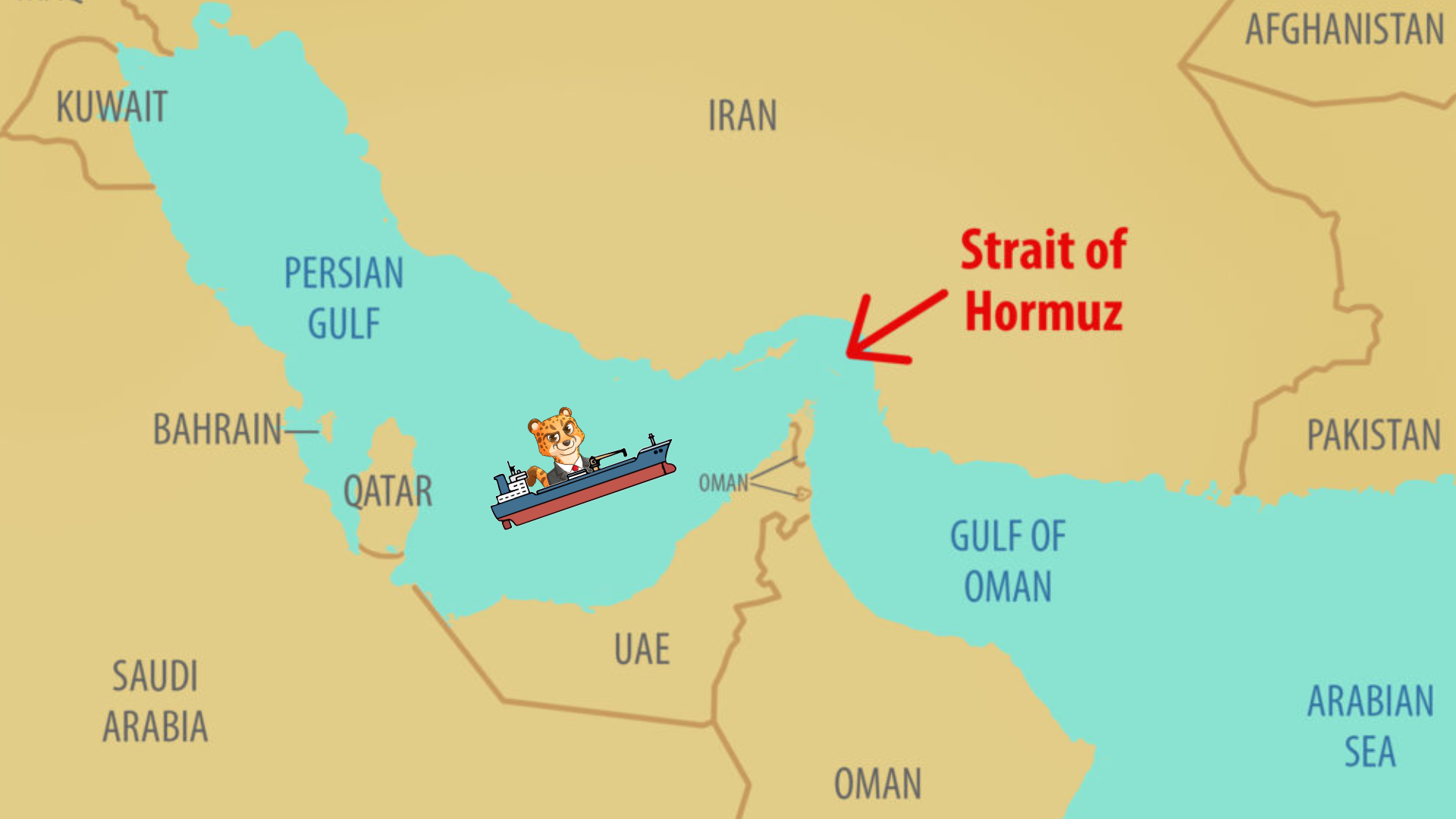
The Iran conflict has disrupted one of the most important of these - the Strait of Hormuz.
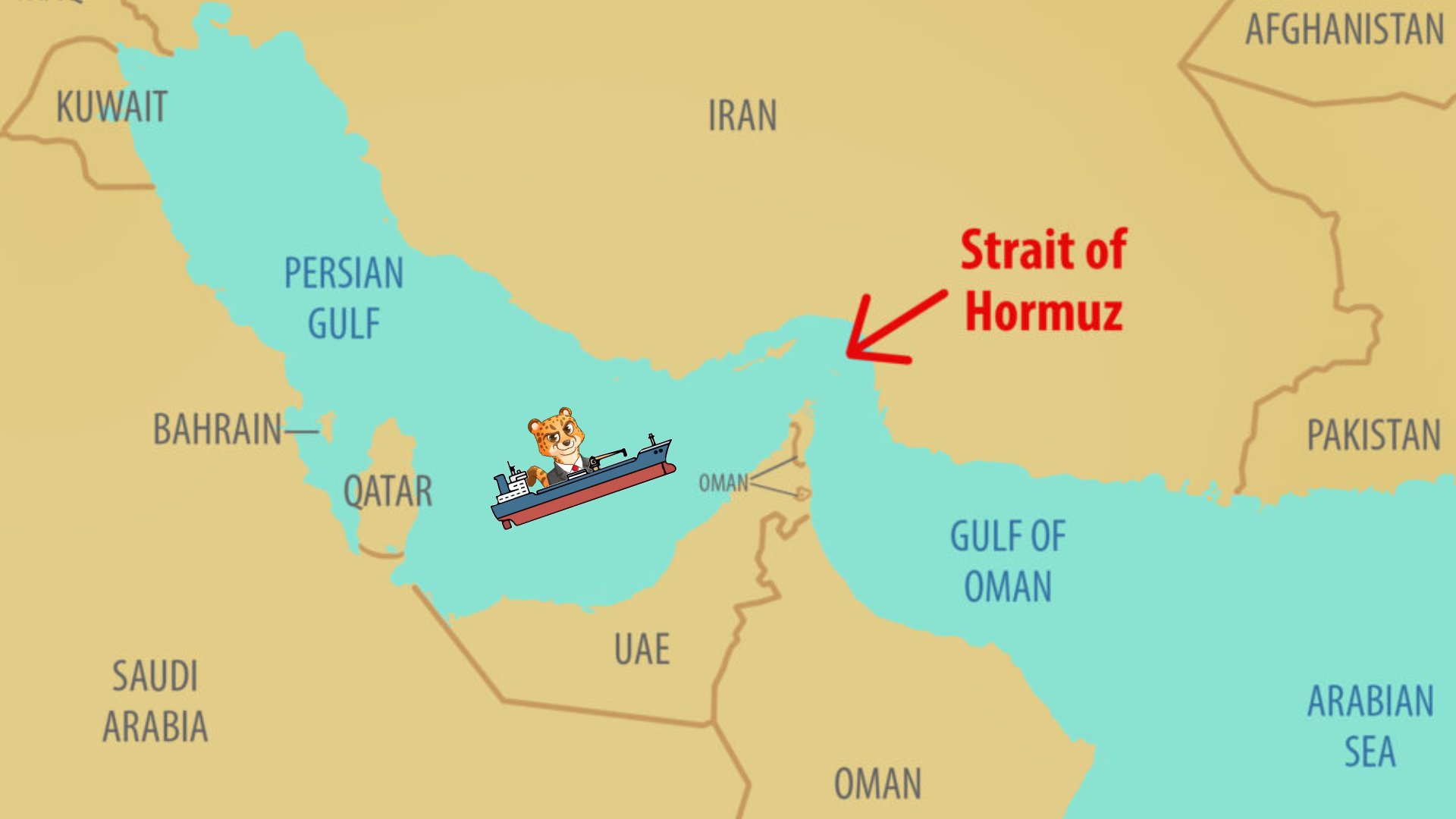
Due to the war, shipping companies are rerouting vessels, avoiding high-risk areas, and in some cases pausing operations altogether. The result is longer journeys, delays, and congestion at ports that weren’t built to handle the extra volume.
Key Points for interviews
🚢 Power shifts to shipping companies
Disruption changes the balance of control. With routes becoming unpredictable and alternatives limited, shipping companies gain leverage over their customers. They can adjust prices at short notice, reroute cargo mid-journey, and alter delivery points depending on risk conditions. For businesses, this means less certainty and less negotiating power, as they are reliant on carriers to navigate an increasingly volatile environment.
📈 Costs rise quickly, but unevenly
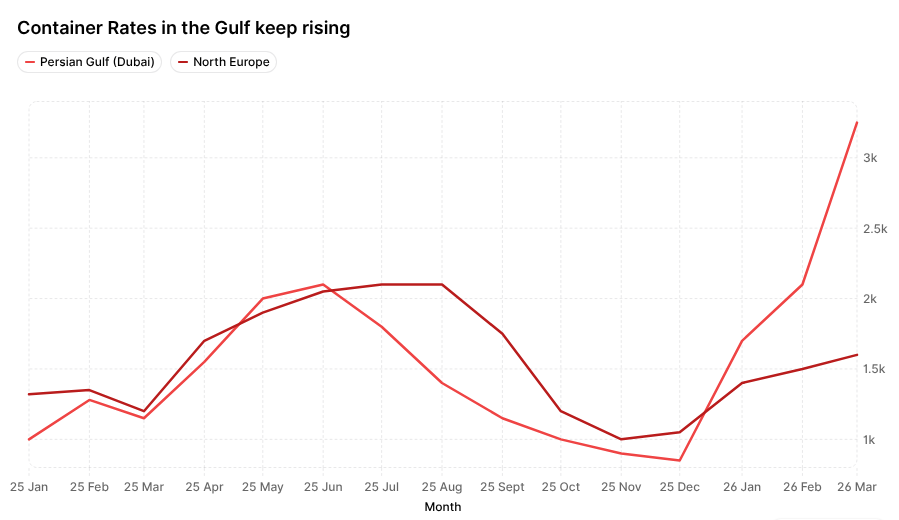
As routes become longer and riskier, the cost of shipping increases through higher fuel usage, insurance premiums, and operational inefficiencies like delays and congestion. However, the key insight is that this impact is not uniform. Some routes remain relatively stable, while others see sharp cost increases. That uneven pressure creates challenges for businesses trying to plan and price effectively.
📦 Disruption spreads across the supply chain
The impact doesn’t stay within shipping. Delays at sea lead to congestion at ports, goods are rerouted through unfamiliar locations, and businesses often need to rely on additional land transport. Even administrative processes such as customs and documentation become more complex when routes change. As a result, companies are not dealing with a single issue but a series of knock-on problems, constantly adapting as disruption moves through the supply chain.
How does this impact Law Firms?
Join ZipLaw+ to continue reading