How will the Trump Tariffs Ban impact Law Firms?
Trump’s tariff policy just hit a wall.
In a 6–3 decision, the US Supreme Court ruled that Trump overstepped his authority when he imposed sweeping tariffs on foreign imports without congressional approval.
Here's all you need to know plus what it means for law firms!
What happened?
The Court ruled that Trump exceeded his powers under the International Emergency Economic Powers Act (IEEPA) — a 1977 law designed to address national emergencies.
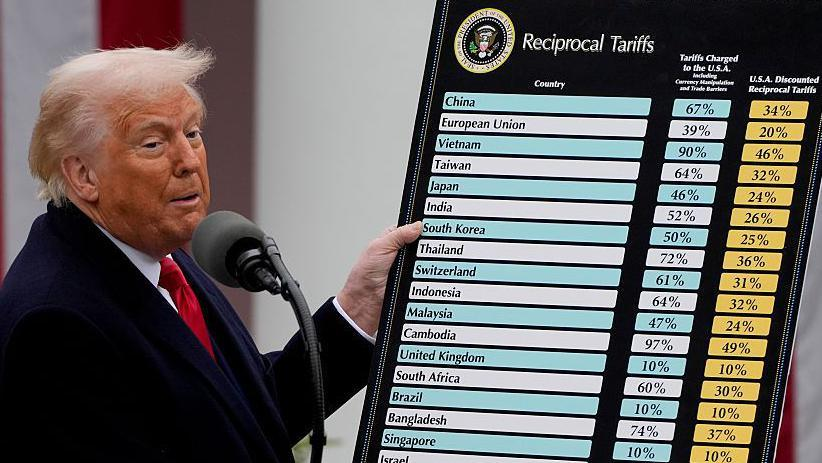
Trump had relied on IEEPA to impose tariffs on what he called “liberation day” last April, targeting dozens of countries, including China, the EU, Canada, Mexico, Japan and even the UK.
The Court held that IEEPA “does not authorise the president to impose tariffs”. In short:
- The law was never meant to give the president blanket tariff power.
- Congress, not the executive, holds primary authority over trade policy.
- Lower courts were right — these tariffs were unlawful.
Is the Trade War Over?
Not even close.
Within hours of the ruling, Trump announced a new 10% global tariff under the Trade Act of 1974.
The key shift? He’s moved from broad emergency powers to more structured statutory routes. Section 122 allows tariffs of up to 15% for 150 days to address serious balance-of-payments issues, while other provisions require formal investigations into national security or unfair trade practices.
In short, tariffs are still very much on the table, just through a more procedural, and more legally constrained, process.
Will Businesses Get Refunds?
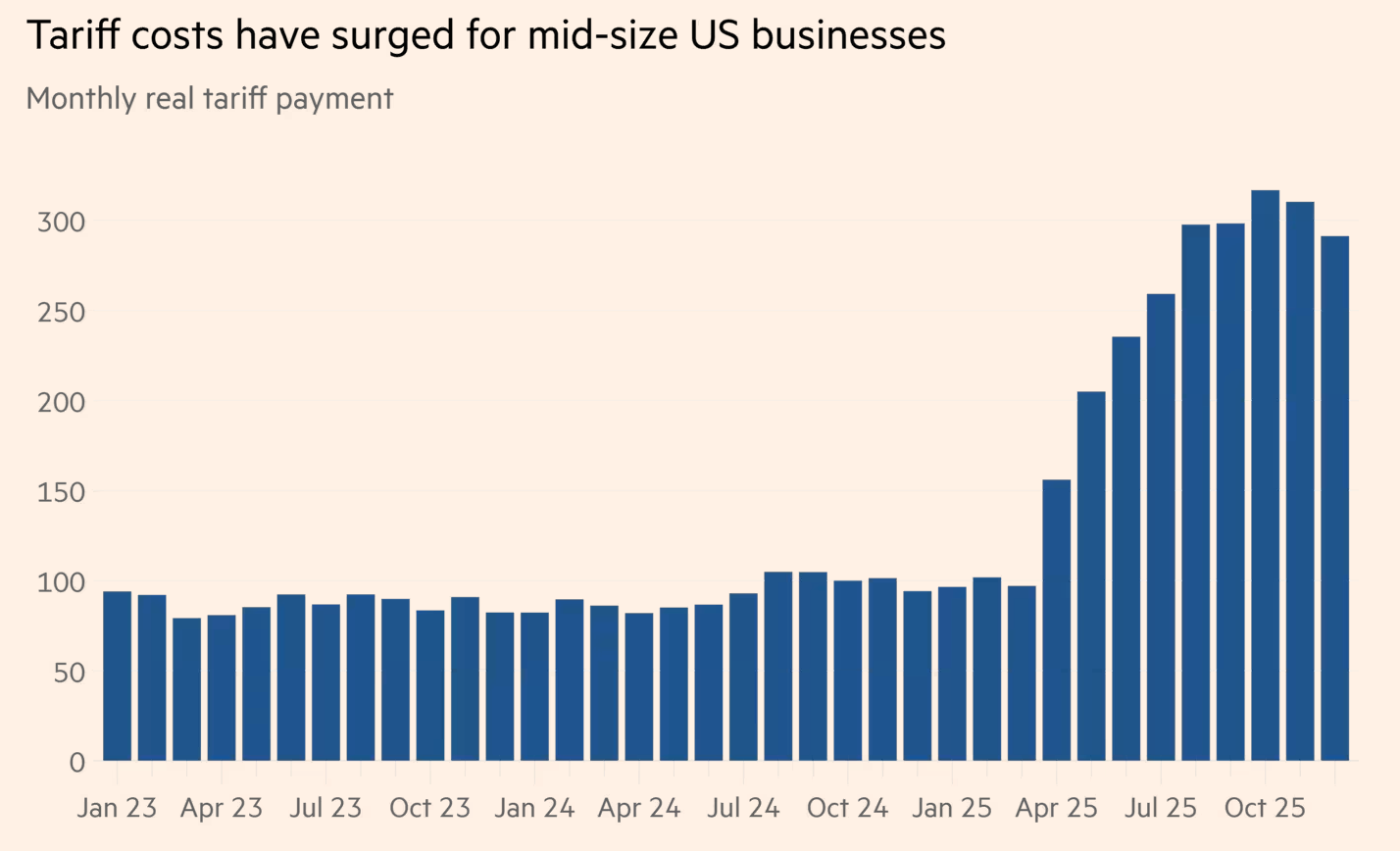
Tariff revenues last year are estimated between $240bn and $300bn. And it seems US firms bore around 90% of the cost, much of which was passed to consumers through higher prices.
If the tariffs are ruled unlawful in full, refund claims from importers could be enormous. But:
- The administration has dismissed the idea of repayments.
- Justice Brett Kavanaugh warned the refund process would likely be a “mess”.
- Litigation could drag on for years.
What About the UK and EU?
The UK government says its preferential deal with the US remains unaffected. That includes:
- Reduced tariffs on automobiles (10% instead of 27.5%)
- Zero tariffs on pharmaceuticals
- Preferential steel terms
The EU, meanwhile, is analysing the ruling. The European Parliament has not yet ratified last year’s EU-US deal. It was previously paused during political tensions linked to Greenland.
How does this impact Law Firms?
Join ZipLaw+ to continue reading