Iran War: How does it impact Law Firms?
Here's all you need to know on the Iran War, including how it's impacting law firms.
What's happened up to now?
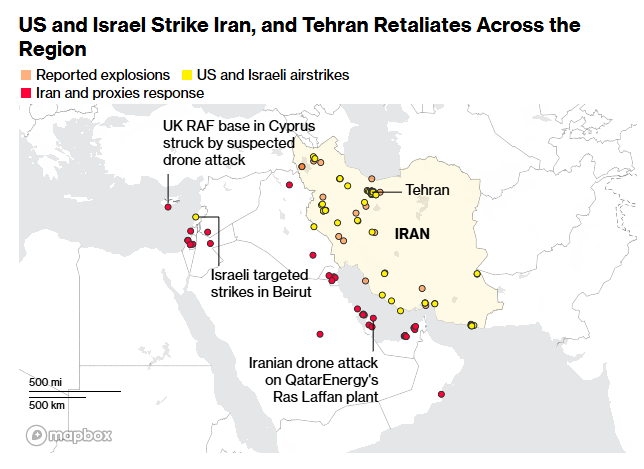
- The US and Israel launched a coordinated military attack on Iran.
- Iran Supreme Leader Ayatollah Ali Khamenei was killed, alongside senior officials including Iran's defence and intelligence chiefs.
- Iran retaliated with missile strikes on Israel and on US bases across the Gulf.
- Qatar's main airport was struck. QatarEnergy shut down its major LNG plant.
- Today, two drones hit the US embassy in Riyadh.
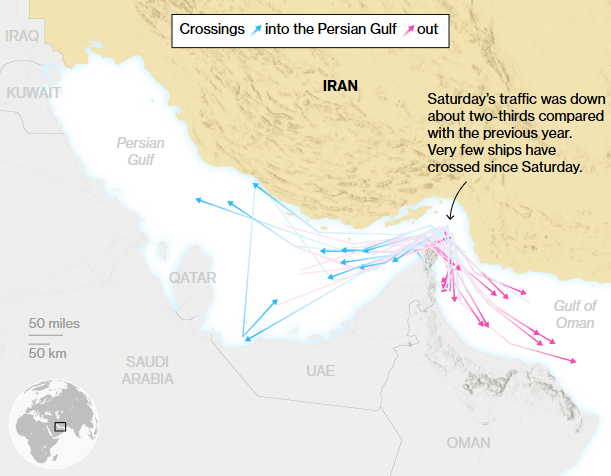
- Iran has threatened to attack any ship passing through the Strait of Hormuz. Ship traffic has effectively halted.
- Nearly all civilian air traffic across the Gulf is suspended, including Dubai's airport, the world's busiest hub.
- Trump says the campaign could last "far longer" than 4–5 weeks and the US will do "whatever it takes."
- Iran has refused all negotiations. The UAE and Qatar are privately lobbying allies to de-escalate.
Back up: Tensions between the US and Iran have been building for months. In December, protests erupted across Iran over worsening economic conditions, prompting a violent crackdown by the regime. Trump vowed to support the protesters but held off on military action. Three rounds of nuclear talks followed but failed to produce any agreement, and in the meantime, the US quietly built up a significant military presence in the region.
Energy Markets are key
Oil: The Strait of Hormuz, through which a fifth of the world's oil flows, is effectively closed, with tanker traffic down 94%. Brent crude hit $85/barrel (the highest since mid-2024), Saudi Arabia's largest refinery has been halted, and operations at the UAE's Fujairah terminal have been suspended. But here's the thing: traders say this is actually a muted response, the market is pricing in a short conflict. If it drags on, Citi estimates oil could hit $120/barrel, and JPMorgan has warned that if Hormuz stays closed for more than 25 days, Middle Eastern producers will need to start shutting in output entirely.
Gas: This is where the real pain could hit. Qatar, which supplies roughly a fifth of the world's LNG, was forced to shut down its Ras Laffan facility after Iranian drone strikes. There is virtually zero spare LNG capacity globally. Pakistan gets 99% of its LNG from Qatar. India gets about half and has already floated the idea of gas rationing. If this drags on, we're looking at a 2022-style bidding war between Europe and Asia for whatever supply remains.
How Does This Impact Law Firms?
Join ZipLaw+ to continue reading