Is the World Cup good for Law Firms?

Good morning, ZipLawyer!
Today’s top stories
⚽ How does the World Cup impact Law Firms?
🍬 Tate & Lyle agrees to £2.7bn takeover
🍞 Macfarlanes leads on Hovis takeover
✈️ RPC advises on plane insurance claim
Is the World Cup good for Law Firms?

What's going on?
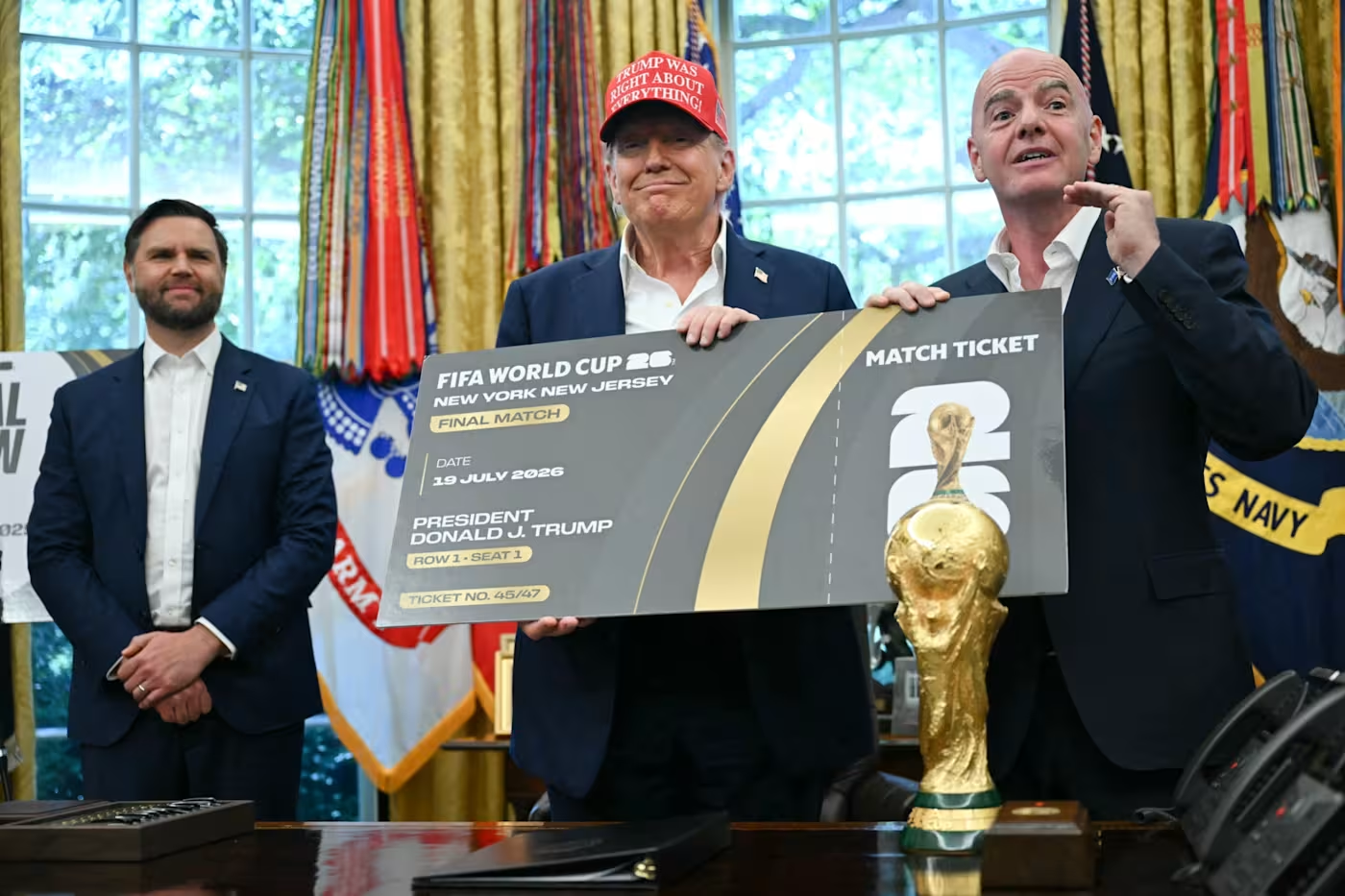
- This year's World Cup is being co-hosted by the US, Mexico and Canada.
- FIFA reckons it could pump as much as $9.6bn into the US economy with fans flying in, filling hotels, downing pints.
- To land the games, cities agreed to foot the bill for things like security and transport. And, they also agreed to hand over game-day revenues and to accept limits on the sponsorship money they're allowed to earn.
So hosting is a jackpot, right?
That's the pitch (pun intended). The World Cup is sold as a month of the planet's attention, stadiums packed, tourists everywhere. "Inject $9.6bn" sounds like free money raining down on the host.
But "injecting money into the economy" just means extra spending that wouldn't have happened otherwise. And that little phrase — wouldn't have happened otherwise — is where the whole story quietly falls apart.
Hang on, who actually gets the cash?
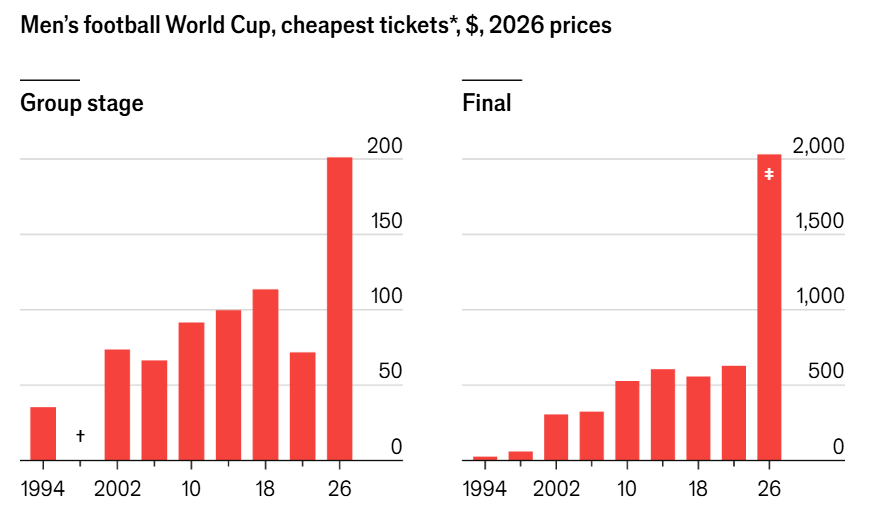
Not the cities. FIFA stands to make around $11bn from selling TV rights and (controversially priced) tickets. The cheapest tickets for group-stage games averaged $200; those for the final went for at least $2,030.
So the split looks like this: FIFA keeps the broadcast and ticket billions, while the cities pick up the tab for security and transport and have signed away their game-day takings on top.
But surely all those visitors spending money still helps?
Less than you'd think. Maybe not at all. Three problems:
1. The benefit pools in one narrow place. Most of the visitor spending lands in hospitality - hotels and bars - rather than spreading across the city. And even there, hotel owners have grumbled that bookings are coming in underwhelming.
2. The official maths looks heroic. FIFA's own projection works out to as much as $7,000 of economic benefit per fan. That's every single visitor spending the price of a used car, purely on their trip. Plausible? Be very sceptical.
3. The big one: crowding out
Crowding out happens when a giant event doesn't add new spending but just replaces spending that would have happened anyway, and scares off the rest.
Here's how it bites a host city. A World Cup can shove out the boring-but-reliable money — the conferences and conventions that would have filled those same hotels and halls. And locals, dodging the crowds and the chaos, often steer clear of the very neighbourhoods where matches are on, so they stop spending there too. Add it up, and a city can end up with less going on, not more.
Will this time be different?
One thing genuinely is different in 2026: the US isn't building new stadiums for these games. That matters enormously, because new stadiums are where host nations usually set fire to the most cash. Qatar and Russia poured billions into shiny new infrastructure that had little use once the party ended. America is reusing what it already has, and the federal government is chipping in $625m to help cities cover their World Cup costs — a fraction of what those previous hosts spent.
So the downside may be capped this time. But notice the pattern underneath all of it: the World Cup reliably makes money for FIFA. Whether it makes money for a host city is a far shakier bet, and it hinges almost entirely on how much that city spends to throw the party.
How does this impact Law Firms?
Join ZipLaw+ to continue reading