💰 Luxury Brands are in Trouble

👋 Happy Monday, ZipLawyer! Did you know the London Stock Exchange started in a coffee shop? ☕ Back in 1698, a broker named John Castaing began publishing share, currency and commodity prices at Jonathan’s Coffee House in London. It helped lay the foundations for one of the world's biggest financial markets.
🐯 NEWS BRIEFING

🇧🇷 Brazil’s election goes into extra time: Brazil's Supreme Court authorised a two-hour extension at some polling stations during a fiercely contested presidential runoff between incumbent Luiz Inácio Lula da Silva and Flávio Bolsonaro, son of former president Jair Bolsonaro. Complaints about public transport and bad weather prompted calls for extra voting time. With counting under way, the stakes extend beyond politics: the winner could reshape public spending, economic policy and foreign investment in Latin America's largest economy.
🇻🇪 Venezuela’s political comeback tour: Opposition leader María Corina Machado has returned home after almost ten months in exile, setting up a potential showdown with interim president Delcy Rodríguez. Rodríguez has governed since US forces removed Nicolás Maduro in January and retains Donald Trump's backing. Machado wants democratic elections, but no date has been set. With international energy companies pursuing investments in Venezuela, the political struggle could determine who controls the country's oil wealth and future economic direction.
🛰️ Starlink's off switch causes a diplomatic headache: Ukraine says its Starlink and Starshield satellite connections are working normally again after more than a week of restrictions disrupted drone operations and air defences. Elon Musk acknowledged that SpaceX had restricted civilian Starlink over alleged breaches of its service terms, which Ukraine disputes. The episode exposes an uncomfortable reality: when governments depend on private technology for critical military infrastructure, corporate decisions can have consequences far beyond the boardroom.
🇧🇬 Bulgaria heads for round two: Bulgaria's presidential election is heading to a 1 November runoff between incumbent Iliana Yotova and pro-Western challenger Andrey Gyurov. The contest is unfolding amid rising energy costs and drone attacks on Black Sea shipping. Although the presidency is largely ceremonial, the result could influence Bulgaria's approach to Russia, Ukraine and European security.
👀 To discuss in interviews
Why are Luxury Brands struggling?
In short
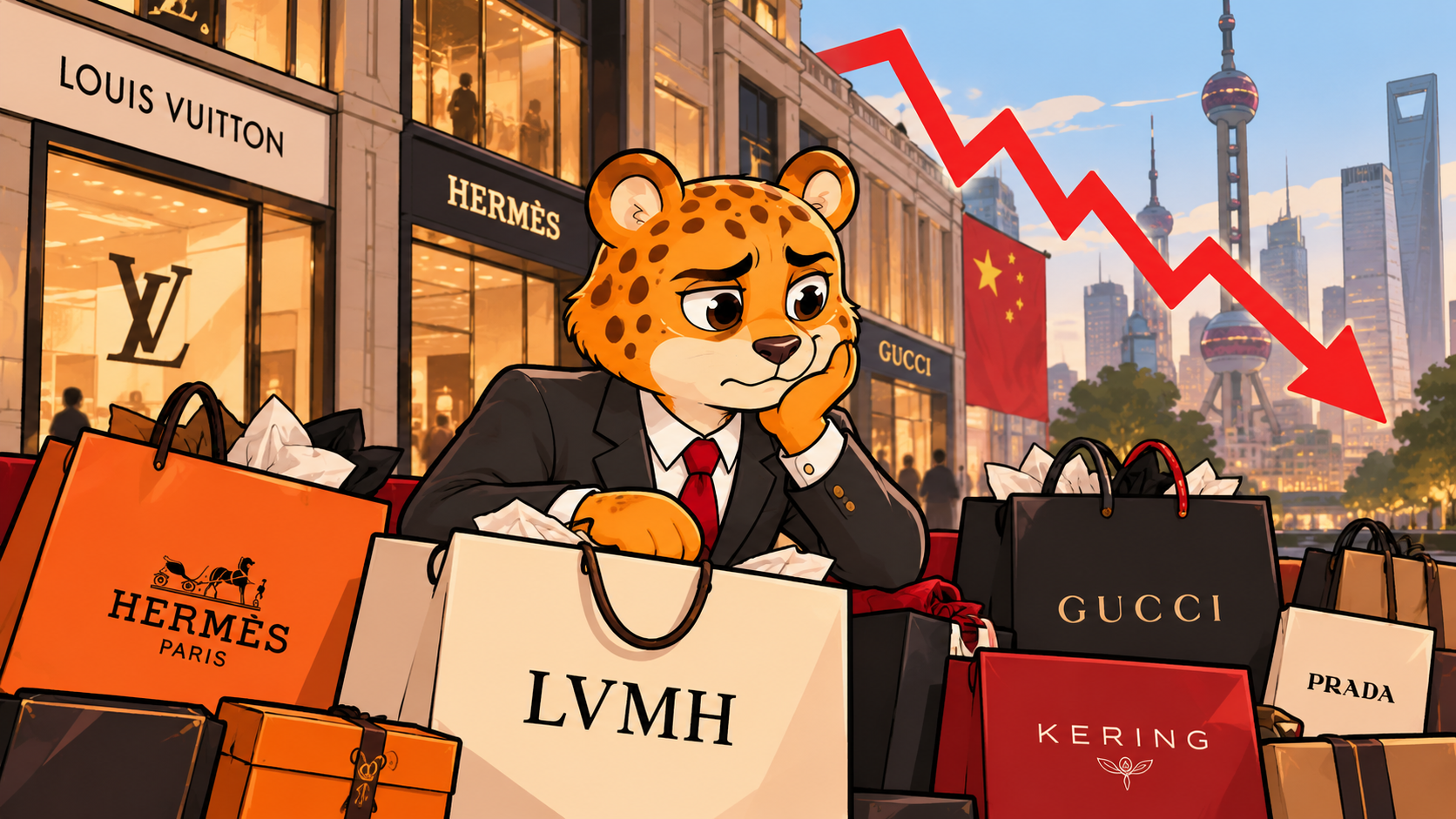
Europe’s biggest luxury groups have lost a staggering €251bn in stock market value this year as Chinese consumers cut spending and US demand begins to weaken. Even industry heavyweights like LVMH and Hermès are feeling the squeeze, forcing luxury brands to rethink how they protect profits without sacrificing exclusivity.
What’s going on?
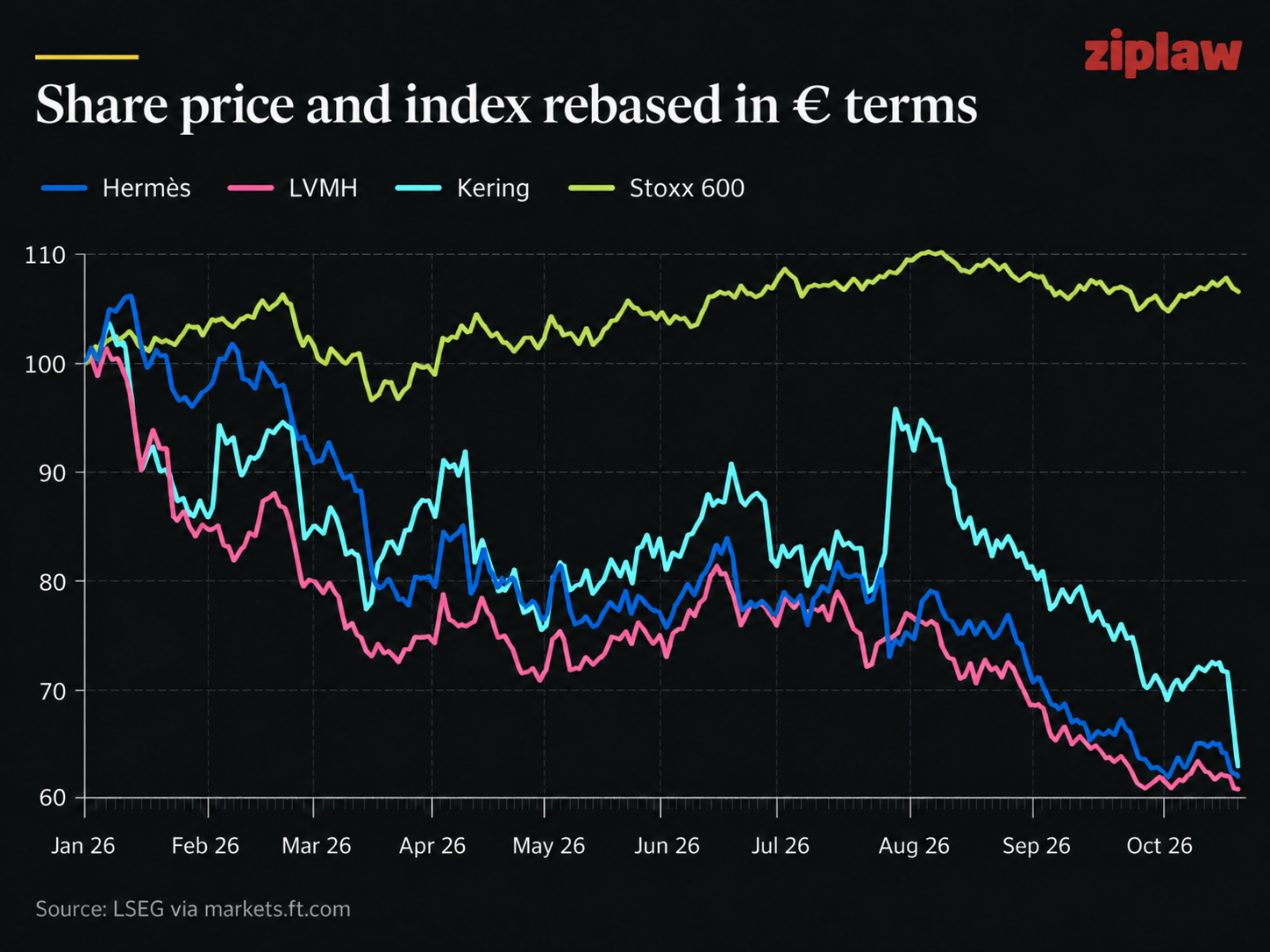
- Luxury's €251bn wipeout. Europe's six largest listed luxury groups have collectively lost €251bn in market value this year, with LVMH and Hermès accounting for almost €225bn. Falling valuations reflect investors' concerns about future growth and put pressure on management to protect profitability rather than simply chase sales.
- China's wealthy shoppers are pulling back. Chinese consumers, who powered luxury's growth for years, are spending less as falling property values and stock market losses dent confidence. LVMH reported a mid-teens percentage decline in fashion and leather goods sales to Chinese customers globally, while Kering suffered a 15–20% fall. The problem extends beyond Chinese stores because these customers also shop internationally.
- Not all luxury customers are equal. Hermès' leather goods sales grew 10.8%, even as its ready-to-wear and accessories division declined 2%. The contrast suggests ultra-exclusive products are holding up better than categories exposed to more aspirational shoppers. Brands now face a delicate balancing act: attracting customers without discounting so heavily that they undermine their exclusivity.
- Cost-cutting could become the industry's next priority. With US luxury spending also weakening, brands cannot rely on another major market to offset China's slowdown. Companies may reconsider store networks, staffing and expansion plans to protect profit margins. However, closing boutiques and cutting investment can generate immediate savings at the expense of future growth and customer experience.
How does this impact law firms?
Join ZipLaw+ to continue reading