Memo: Revolut Banks, Anthropic Fights

Hi ZipLawyer! Here's all the news you need to know from this past week and how they impact law firms.
Coming up:
⚖️ Regulatory: Revolut finally banks
💸 Business: Private credit default warning
🤖 Technology: Anthropic v Pentagon
🔋 Energy: Emergency oil reserves released
✈️ Business: Oil shock hits airlines
🎙️ Remember to follow our new weekly podcast on Spotify, Apple Podcasts or your favourite podcast app.
Memo

🤖 Anthropic just picked a fight with the Pentagon. The AI startup went to court after the US government labelled it a “supply-chain risk”, banning its tech from military use. The dispute began after Anthropic demanded safeguards on how its AI could be used, especially for surveillance and military applications. The White House fired back, saying the military won’t follow a “woke AI company’s terms of service.” The case could shape how AI companies work with governments going forward.
✈️ Airlines are feeling the fuel-price punch. As oil surged, airline stocks sank on fears profits could vanish into jet-fuel costs. Several carriers, including Air India, Air New Zealand and Qantas, have already started raising ticket prices or warning they might soon. Air New Zealand even suspended its earnings forecast because energy markets are so volatile. Translation: if the oil spike sticks, your next holiday flight may cost a lot more than your last one.
🇨🇳 China’s export machine is still humming. Despite US tariffs, exports jumped 21.8% in the first two months of the year, with imports up nearly 20%. The trick? Beijing simply redirected trade flows. Exports to Europe, South Korea and South-East Asia surged, cushioning the hit from America. Meanwhile inflation rose to 1.3%, the highest in three years - still low, but a sign China’s economy may finally be warming up after a long slowdown.
📉 The US economy sent mixed signals. Inflation held steady at 2.4%, but energy prices haven’t yet reflected the latest oil shock. At the same time, the labour market wobbled: employers unexpectedly cut 92,000 jobs in February. Federal government employment has also shrunk by 330,000 jobs since late 2024. Markets are now trying to figure out whether the economy is cooling, or just taking a breather.
Oil Shock Response
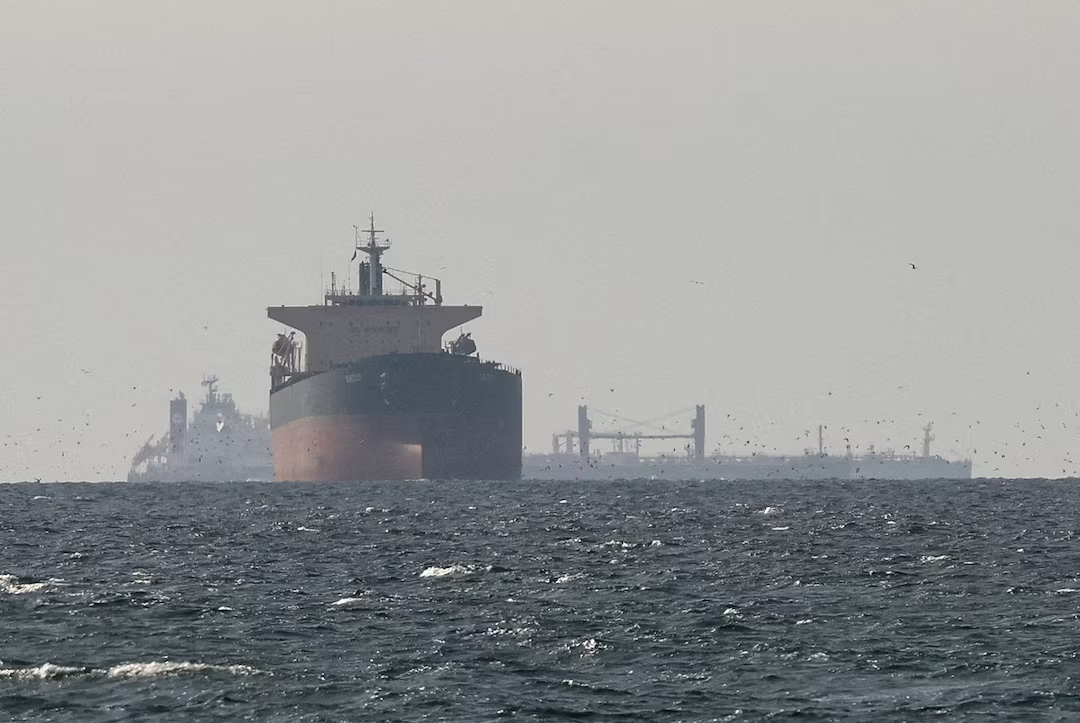
The International Energy Agency (IEA) has agreed to release a record 400 million barrels of oil from emergency reserves to stabilise global energy markets after supply disruptions caused by the Middle East conflict.
What does this mean?
The decision reflects how seriously governments view the current oil market shock. The conflict in the Middle East has effectively halted flows through the Strait of Hormuz, one of the most critical energy chokepoints in the world. Roughly 20 percent of global seaborne oil normally passes through the strait, so disruptions there can quickly send prices soaring.
Oil prices surged close to $120 a barrel earlier this week, prompting the IEA and its member states to intervene. Countries including the UK, Japan, Germany, France and South Korea have all pledged to release oil from their emergency stockpiles, with the US expected to provide the largest share from its Strategic Petroleum Reserve.
The scale of the move is unprecedented. The planned release is more than double the 183 million barrels coordinated after Russia invaded Ukraine in 2022. Even so, analysts warn it may only partially offset supply losses if Gulf exports remain disrupted.
The intervention is designed to calm markets and prevent energy prices from spiralling further. But the real solution lies in restoring normal shipping through the Strait of Hormuz, without which global oil supplies will remain under severe pressure.
What does this mean for Law Firms?
Join ZipLaw+ to continue reading