
🤖 Nvidia's Jensen Huang Ousted: What does it mean for Law Firms?
In today's Interview Brief, we're breaking down the dramatic ousting of Nvidia CEO Jensen Huang and how to discuss the implications in your next law firm application or interview.
We're covering:
🚨 Why was Nvidia's CEO ousted?
📈 What's the key AI market trend?
🏢 How does this impact businesses?
⚖️ How does this impact law firms?
🎤 What could a Partner ask you?
Let's get into it 👇
⏱️ In Short
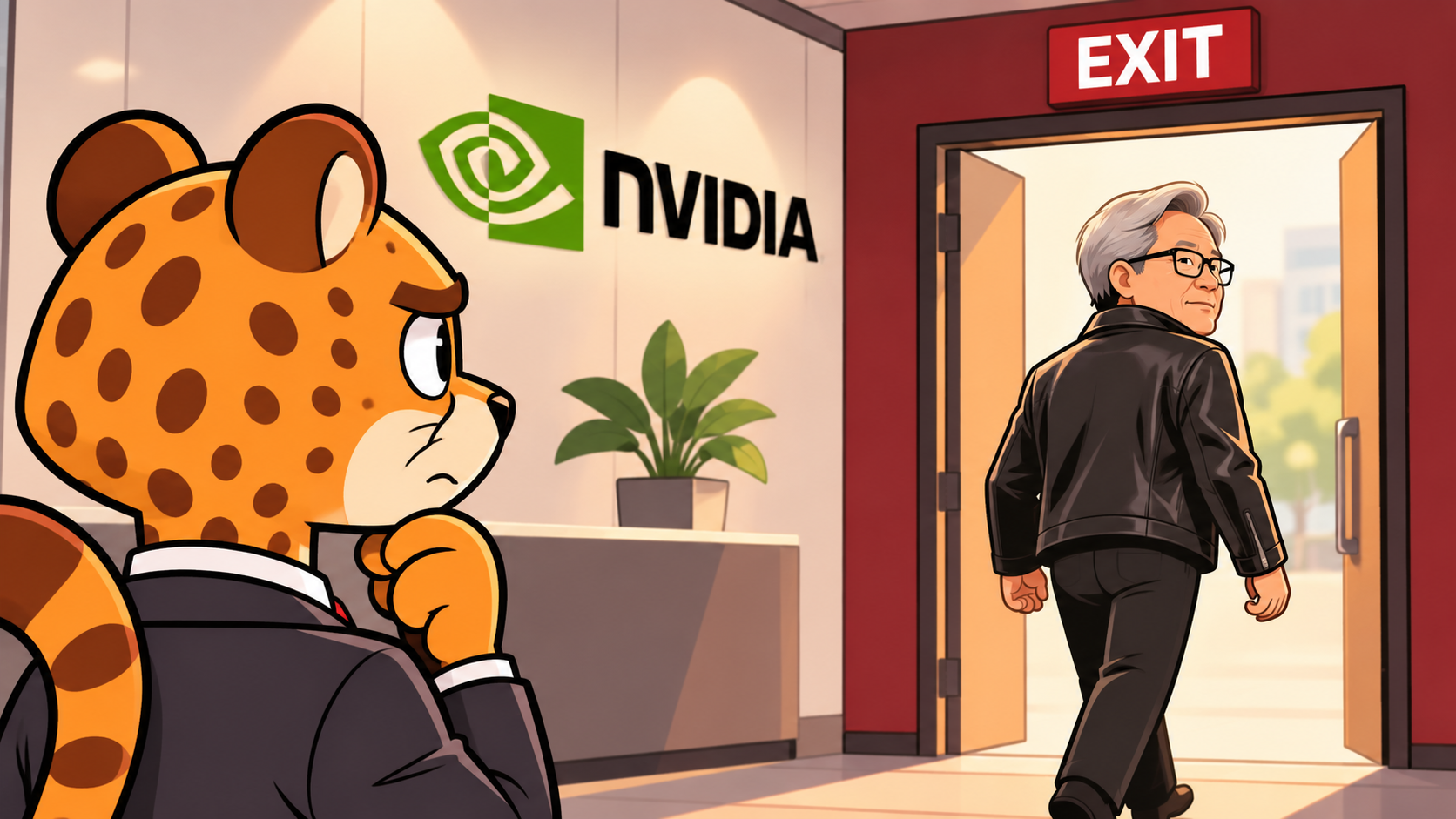
Jensen Huang, the man who turned Nvidia into the world's most valuable AI chipmaker, has been forced out following revelations about his personal relationships and allegations involving a suspected Chinese intelligence operative. His departure has shaken financial markets and raised serious questions about the billions of dollars Nvidia has invested in the AI industry.
Here's All You Need to Know 👇
- Who is Jensen Huang? Nvidia's co-founder and only CEO since 1993. He transformed the company into the world's leading supplier of AI chips, reaching a valuation of over $5tn.
- What happened? Yesterday, Huang was ousted following revelations about two personal relationships, including one with a woman suspected of links to Chinese intelligence.
- Why is this controversial? US authorities are investigating whether businesses connected to the woman were involved in circumventing restrictions on exporting advanced AI chips to China. No wrongdoing by Nvidia has been established.
- What's happening now? Nvidia's CFO, Colette Kress, has become interim CEO. Its shares initially plunged as investors questioned whether the company could maintain its dominance without Huang.
- Why does this matter? Nvidia supplies the chips powering the AI boom and invests billions in its customers, including AI developers and cloud providers. A change in its strategy could affect investment and growth across the industry.
📊 The Key Trend
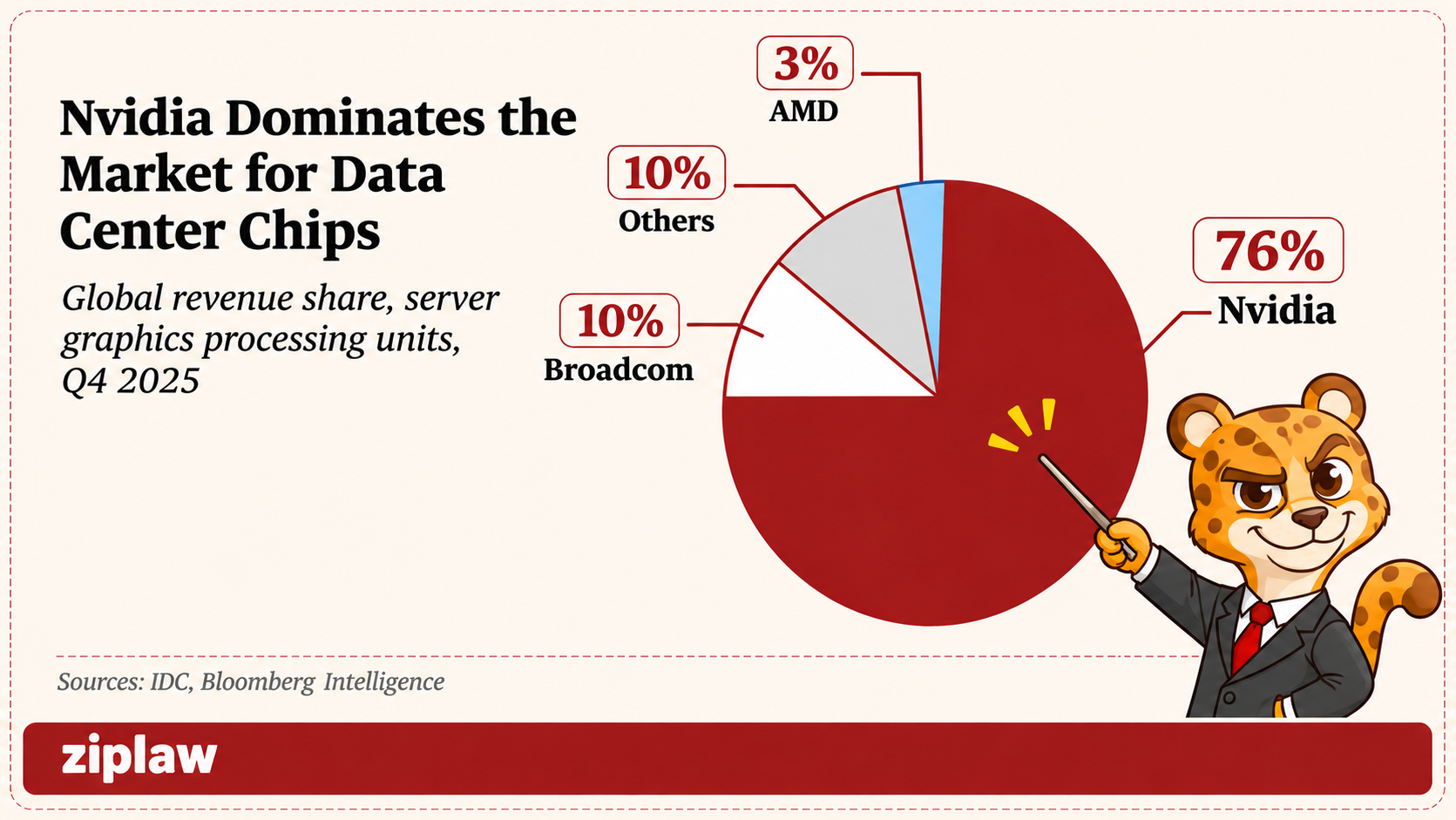
Nvidia has become much more than a chip supplier. It also invests billions in AI developers and cloud companies that use this funding to purchase Nvidia's chips. This creates circular financing, where money invested by Nvidia eventually returns through chip sales.
While this helps the AI industry grow, it raises questions about whether demand is driven by paying customers or continued investment. Huang championed many of these arrangements, and his departure could lead Nvidia to reconsider future funding, potentially making it harder for AI companies to finance their expansion.
💸 What does this mean for Businesses?
- AI companies: Could funding become harder to secure? Companies such as OpenAI, Anthropic and CoreWeave have benefited from Nvidia's investments and commercial partnerships. If new management becomes more cautious about providing financial support, some businesses may need alternative investors or more expensive borrowing. Existing binding agreements would not automatically disappear, but future projects could become harder to finance.
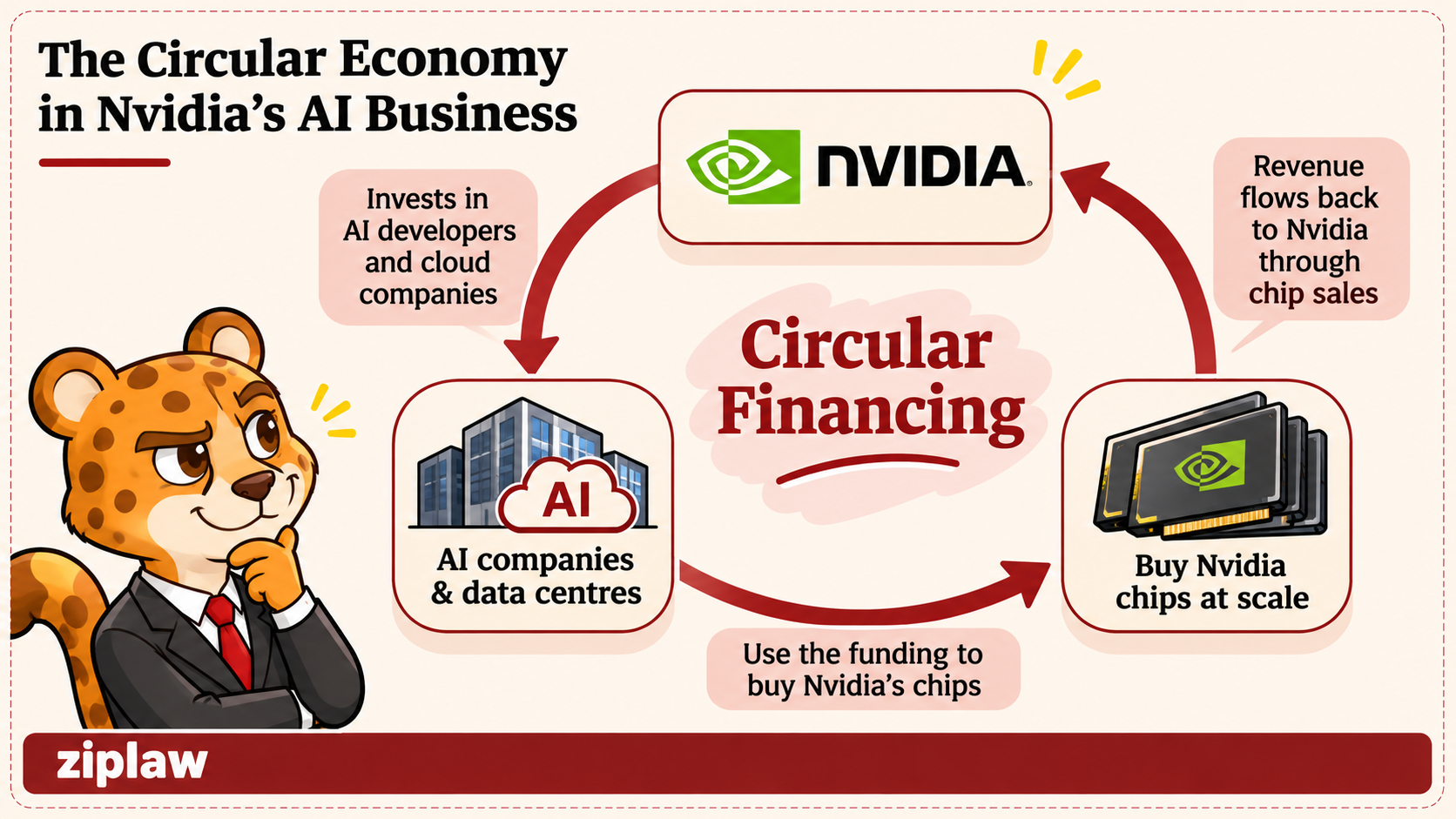
- Nvidia's competitors: An opportunity to gain ground. Companies such as AMD and Broadcom could benefit if customers become concerned about Nvidia's leadership or seek to reduce their dependence on a single chip supplier. However, Nvidia's technological advantages and established software ecosystem remain significant barriers. Competitors must still demonstrate that their products can deliver comparable performance and reliability.
- Global technology companies: Greater US-China tensions. Huang had been a prominent advocate of allowing certain Nvidia chip sales to China. His departure, combined with national security concerns, could strengthen political pressure for tighter export controls. This would affect not only Nvidia but also businesses such as TSMC and ASML, whose equipment and manufacturing capabilities support the global semiconductor industry.
⚖️ How does this impact Law Firms?
Join ZipLaw+ to continue reading