
Why Defence Spending is a Huge Opportunity for Law Firms

With geopolitical tensions intensifying thanks to Trump, Europe’s defence sector has quietly become one of the most attractive growth stories in global markets.
With government spending rising fast, this creates a unique opportunity for law firms to take on more work and capitalise on their expertise in the sector.
A structural shift, not a short-term spike
Defence spending has entered a new era. Global military expenditure hit a record $2.7tn in 2024, and this is not a temporary reaction to one conflict.
It's been led by a number of key factors including:
- Russia’s war in Ukraine, instability in the Middle East,
- Pressure on NATO alliances; and
- Uncertainty over future US security guarantees
This has forced governments to plan for prolonged rearmament, not quick fixes.

Plus, modern military capability now includes drones, cyber systems, AI-enabled surveillance, satellite infrastructure, energy security and resilient supply chains. That broad definition massively expands the number of companies involved and turns defence into a long-cycle industrial strategy rather than a narrow weapons market.
Europe is rearming at scale
Across Europe, defence spending has moved from promises to execution. Germany has expanded its defence workforce by roughly a third in recent years as it embarks on a generational rearmament programme.
- Poland is upgrading its navy to counter threats in the Baltic.
- The UK has committed to lifting defence spending to 3.5 per cent of GDP by 2035, even if inflation and nuclear costs have so far absorbed much of the increase.
At a broader EU level, funds such as the Security Action for Europe scheme are designed to allow joint procurement through EU-backed borrowing, creating predictable, multi-year demand for equipment and technology.
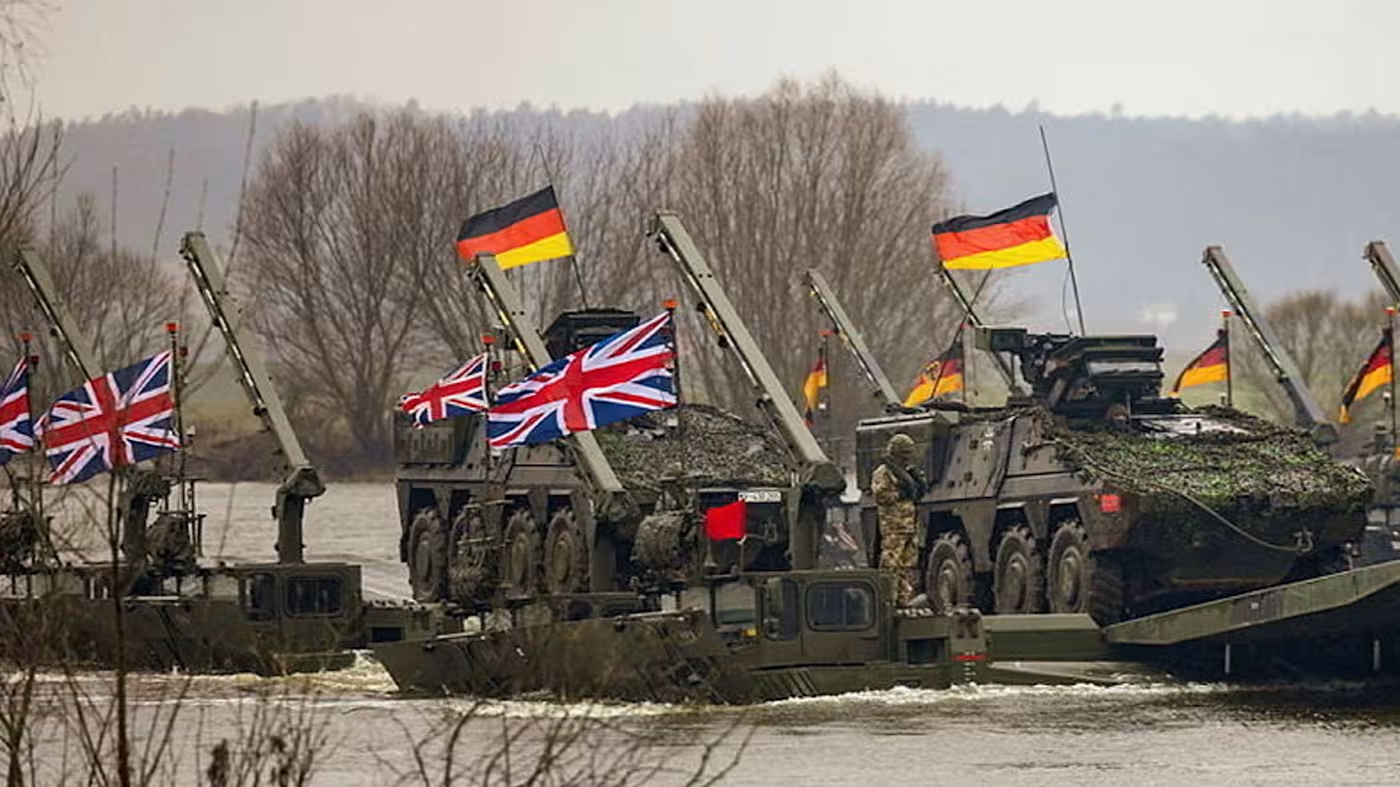
Fresh UK–EU talks about defence cooperation add further momentum, with the potential to widen access to funding and cross-border contracts at exactly the moment Europe wants to project unity.
Defence IPOs are hot stuff
Defence companies are returning to public markets at scale and successfully. On Friday, European ammunition maker Czechoslovak Group soared 31% on its trading debut in Amsterdam(!).
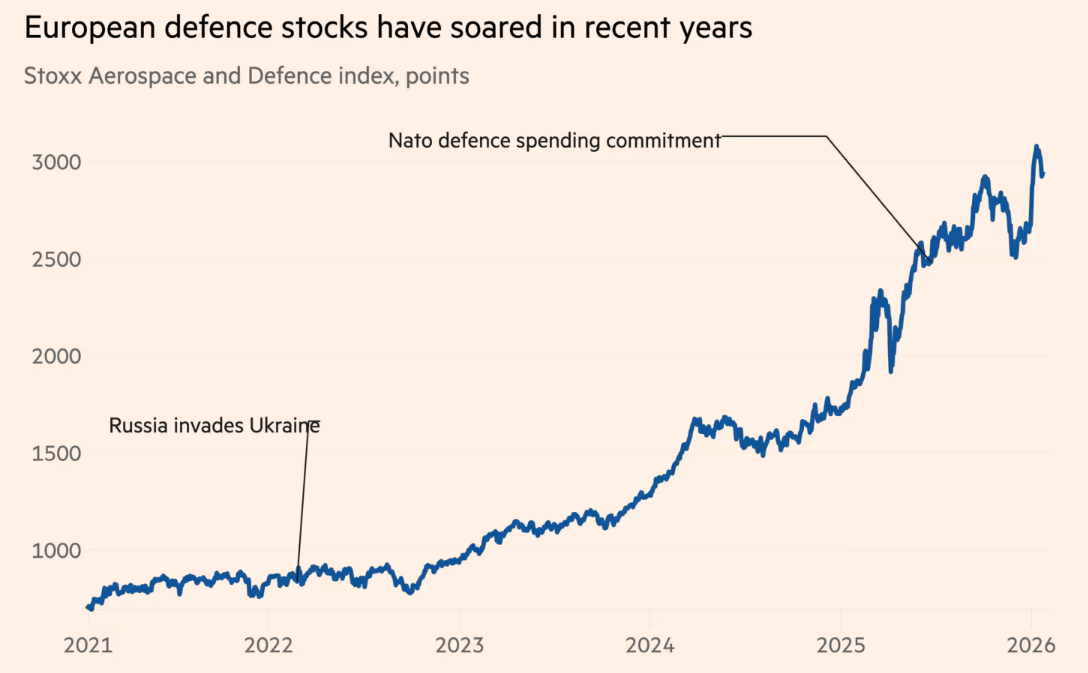
A key point to note here is that their IPOs are supported by valuations that reflect long-term government spending commitments rather than short-term conflict cycles. This gives private equity and venture investors clearer exit routes and encourages earlier-stage investment across the supply chain.
Most people will think this trend is all about defence companies, but that's not the case. Just as important is how non-military companies are being pulled in.
European governments are actively encouraging partnerships between civilian manufacturers and defence specialists. Automotive, aerospace, data, logistics and advanced manufacturing businesses are increasingly involved, particularly in areas like drones and rapid production.
How does this impact Law Firms?
Join ZipLaw+ to continue reading