🤖 Will AI run out of money?

👋 Happy Saturday, ZipLawyer! Next week, the Orionid meteor shower will light up the night sky. It happens every October when Earth passes through dust left behind by Halley’s Comet. The tiny particles travel at an incredible 66 kilometres per second, burning up as they enter our atmosphere and creating shooting stars. Halley’s Comet won’t return until 2061.
THIS WEEK 🐯

💔 Bumble's getting a new match: Dating app Bumble has agreed to a $1.3bn takeover by Ithaca Holdings, potentially ending its stint on the stock market. Shareholders are being offered $6.05 per share, a 138% premium to the price before takeover speculation emerged. Yet the deal is a far cry from Bumble's roughly $14bn valuation when it floated in 2021. With younger users losing interest in dating apps, even finding investors is becoming a dating problem.
🇨🇳 China's export machine has no off switch: Chinese exports surged 36% in September, pushing the country's trade surplus to a whopping $938bn for the first nine months of 2026. That's on track to smash last year's $1.2tn record. The boom is fuelling tensions with trading partners, particularly Europe, which has secured an agreement to curb Chinese hybrid car imports. China keeps selling; everyone else is wondering how to compete.
🤖 AI's chipmakers are printing money (for now): Taiwan's TSMC reported a staggering 69% jump in quarterly profit to $23.6bn, while Dutch chip-equipment giant ASML says customers are looking at capacity as far ahead as 2030. But investors aren't celebrating. South Korea's KOSPI plunged 7.6% amid an AI-driven tech sell-off, triggering a temporary trading halt. The companies supplying the AI gold rush are thriving, but investors are increasingly questioning whether the spending frenzy can last.
💸 Inflation didn't get the memo: America's annual inflation rate climbed to 3.7% in September, up from 3.4% in August, as fuel prices surged. Europe is facing its own energy headache, with gas prices climbing amid the Iran conflict. That's bad news for households hoping for cheaper bills and borrowers waiting for interest-rate cuts. Central banks are discovering that getting inflation under control is one thing; keeping it there is another.
🧊 A very expensive defrost: Hackers remotely turned up the temperature on supermarket refrigerators across France, reportedly reaching 50°C and ruining vast quantities of food. Hundreds of stores were affected, including Intermarché and Coopérative U. The suspected culprit? Vulnerable refrigeration-control software. A rather chilling reminder that cyberattacks can cause very physical damage.
👀 To discuss in interviews
Will AI run out of Money?
In Short
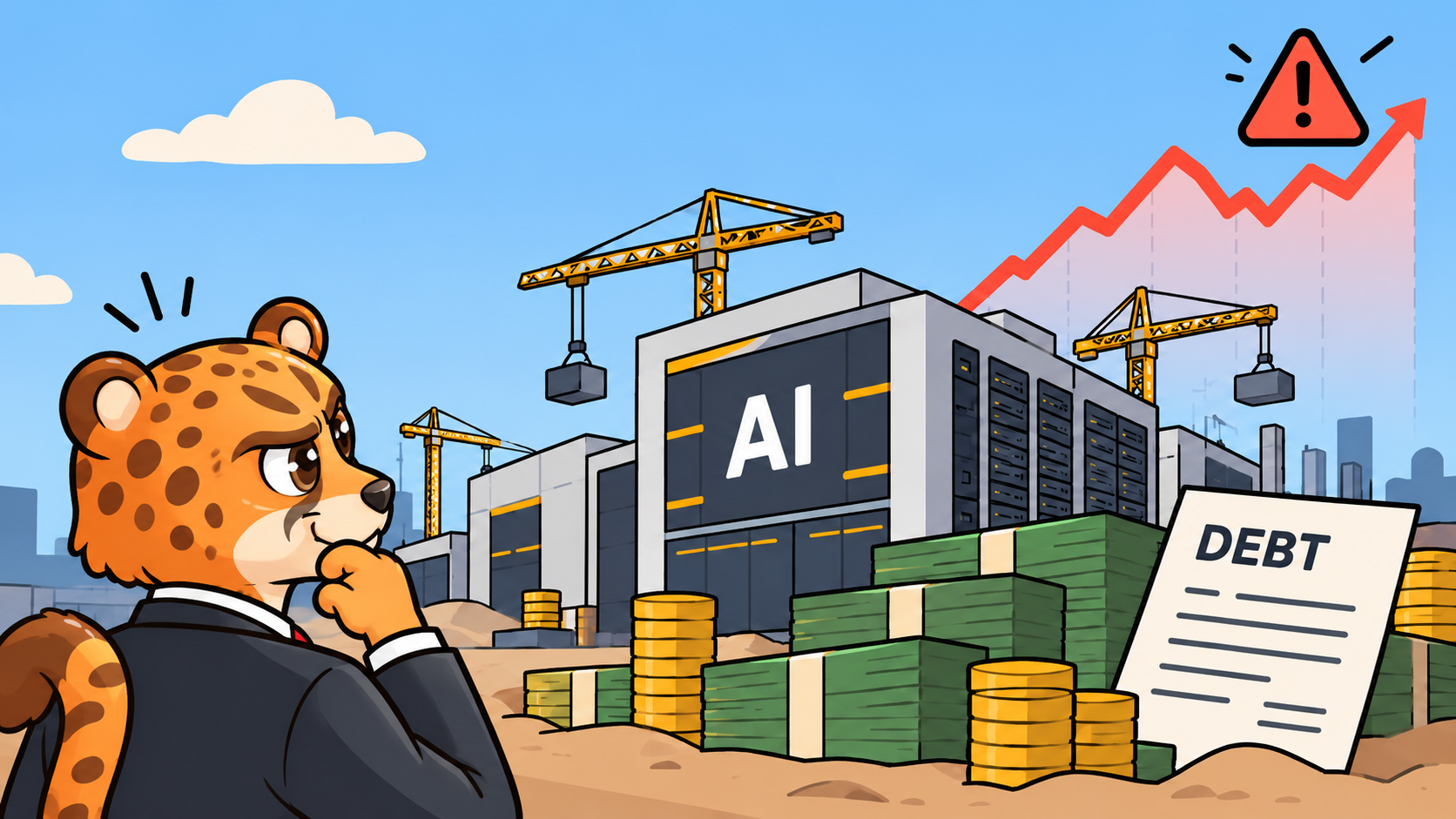
Investors are becoming increasingly nervous about the billions being borrowed to finance the AI boom. The concern is shifting from how quickly AI can grow to whether companies can generate enough cash to repay the debt funding that growth.
What's going on?
AI companies are borrowing billions to build data centres, but investors are increasingly questioning whether they'll make enough money to repay their debts.
- CoreWeave is feeling the pressure. The cost of protecting $1m of the AI company's debt against default has reportedly jumped from under $40,000 to around $100,000 in a year. Investors are also demanding returns of over 15% on some of its debt, reflecting growing concerns about repayment.
- Oracle is facing similar concerns. The technology giant reportedly has around $160bn in debt, while regulatory delays to its planned New Mexico data centre have raised questions about whether the project will open on schedule in 2028.
- Lenders are becoming more cautious. Investors are demanding higher returns before lending to data centre developers, making it increasingly expensive for AI companies to fund their expansion plans.
Why should I care?
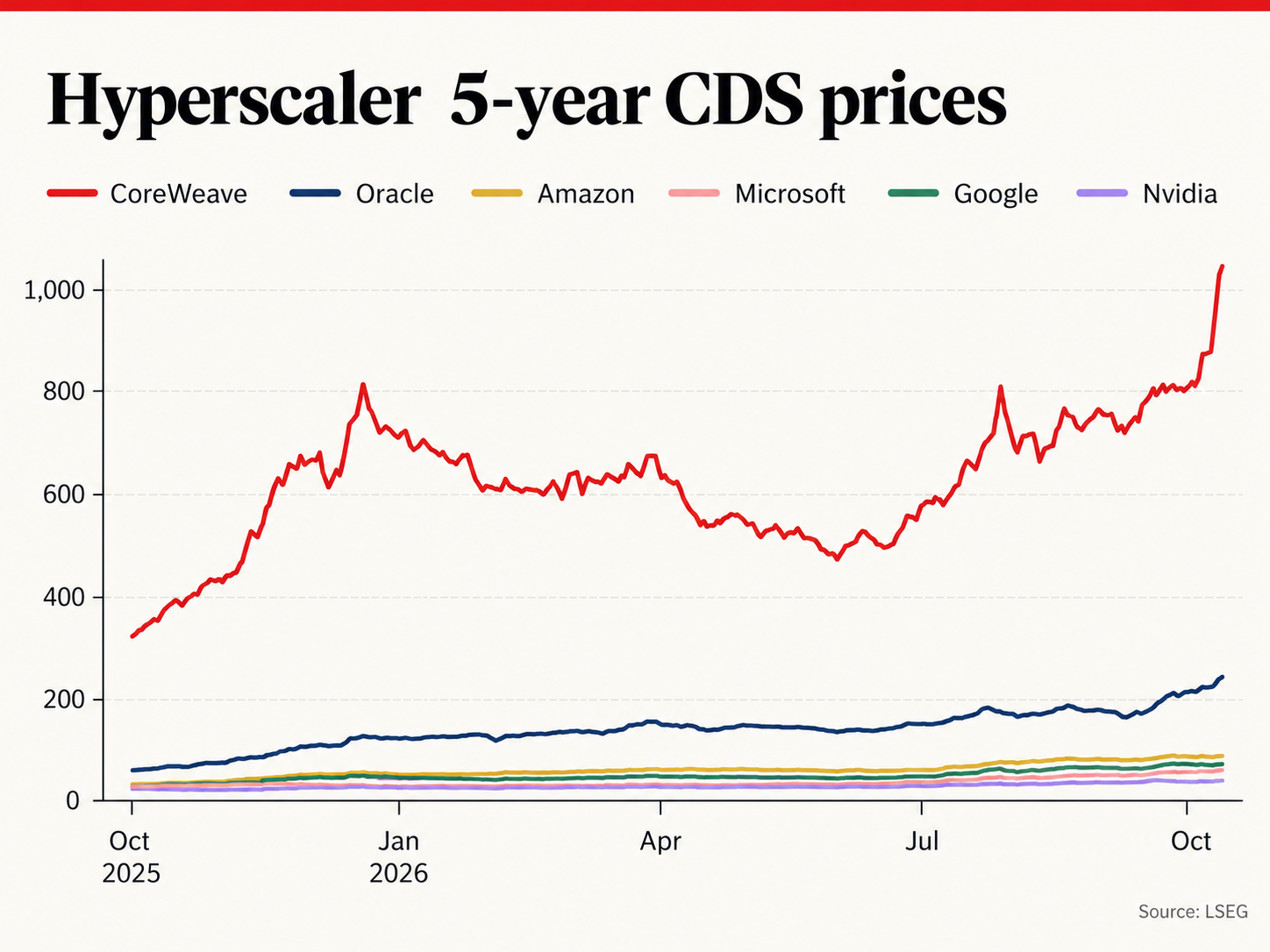
💡 What is a CDS? A credit default swap is like insurance against a company failing to repay its debt. The higher the price, the more worried investors are about a potential default.
- The AI boom has a debt problem. Companies are borrowing heavily to build data centres and buy expensive chips, but the returns may take years to arrive. If AI revenues disappoint, companies could struggle to repay their loans. Rising borrowing costs could also force them to delay projects, giving cash-rich giants like Microsoft and Google an advantage.
- Lenders are gaining the upper hand. As borrowing becomes riskier, investors can demand higher interest rates, more security and tighter restrictions on how companies spend their money. This gives lenders greater protection while limiting companies' freedom to expand.
The AI race is no longer just about who has the best technology, but who can afford to keep building it.
How does this impact Law Firms?
Join ZipLaw+ to continue reading